


keyboard_arrow_up
keyboard_arrow_down
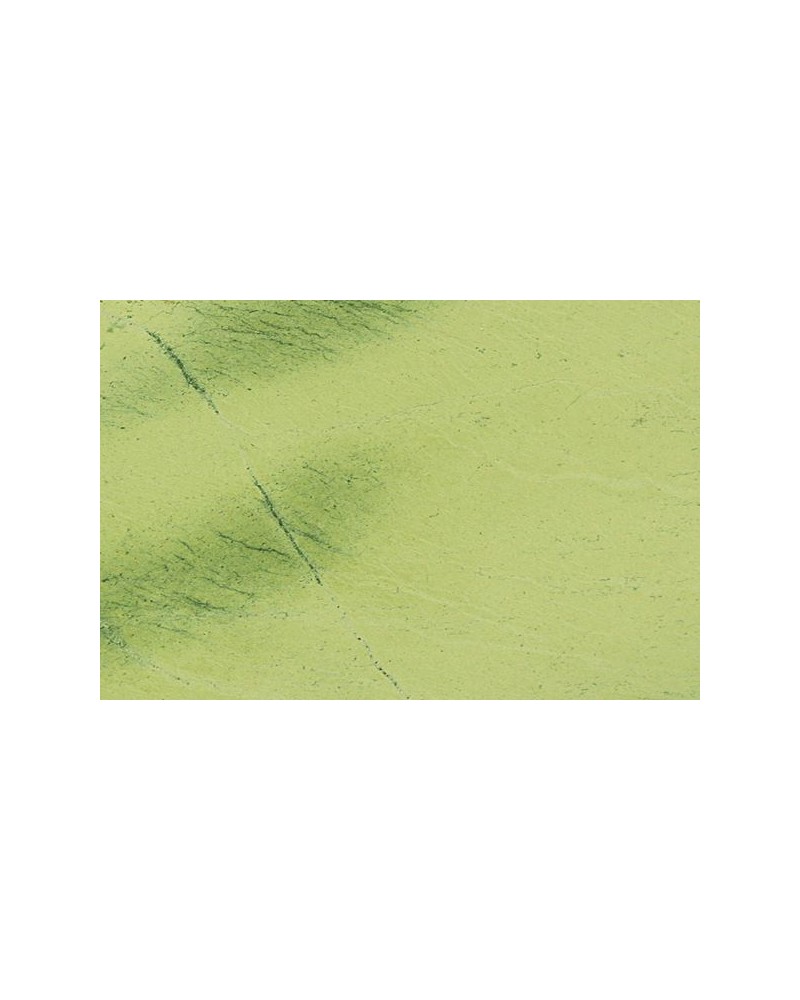
serpentine Leopard Stone
All prices incl. VAT, plus shipping costs.
For deliveries to countries other than Germany
the final prices may change in the checkout.
MORE INFO
All prices incl. VAT, plus shipping costs.
For deliveries to countries other than Germany
the final prices may change in the checkout.
MORE INFO
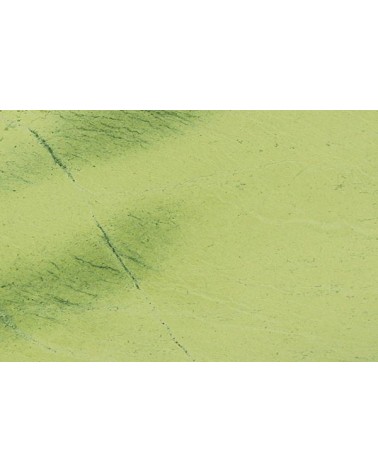
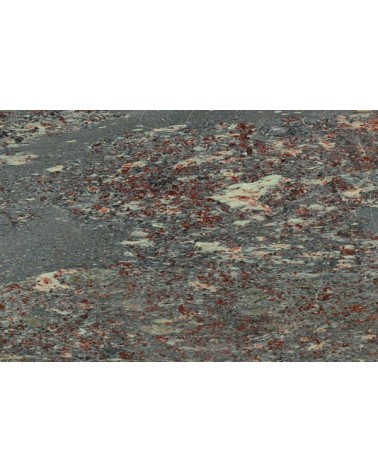
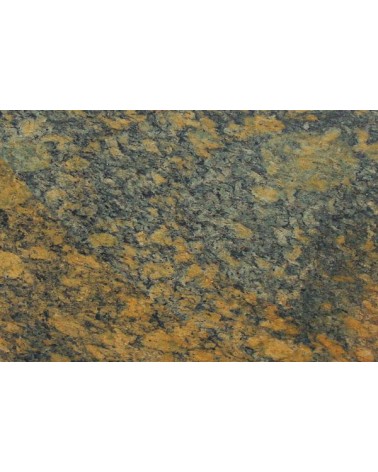
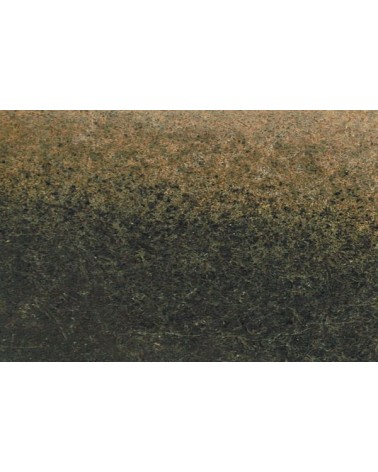
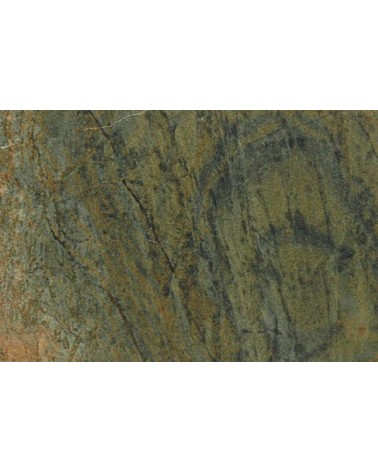
Der seltenere Leopard Stone hat eine kräftige gelb-grünliche Farbe. Durch seine offene Struktur und unterschiedliche Dichte und Härte kann die Bearbeitung Herausforderungen mit sich bringen.
TECHNISCHE ANGABEN
| Herkunft | Simbabwe |
| Härtegrad Mohs | 2,5 - 3,5 |
| Aussehen | kräftig grünlich-gelb, geschichtet |
| Struktur | sehr bruchempfindlich, teilweise lose und offen |
| Dichte | 2,5 - 2,8 kg/dm³ |
BEARBEITUNG
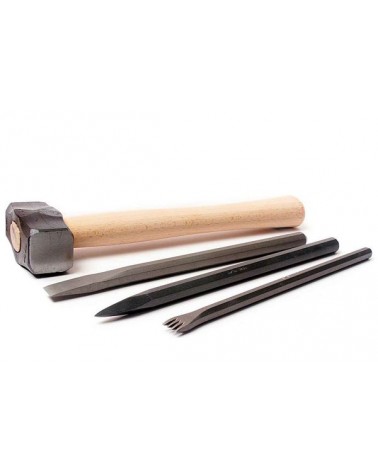
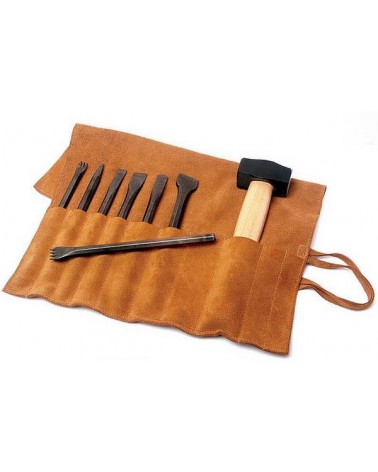
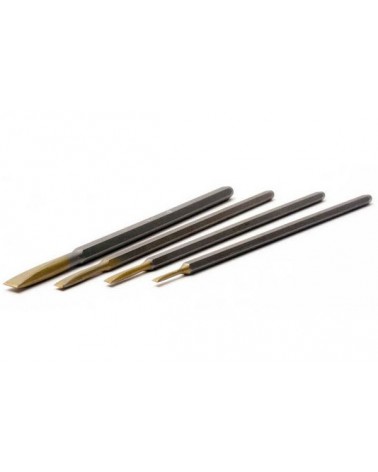
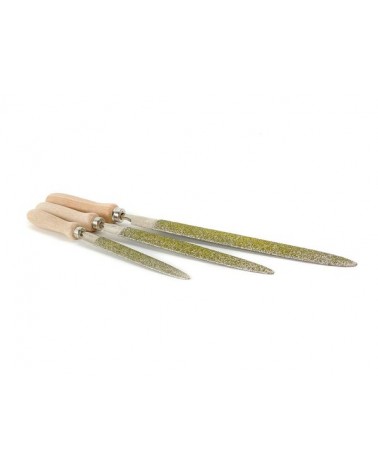
Der Leopard Stone kann eine sehr unterschiedliche Struktur haben. Wenn er eine sehr dichte, feste Struktur hat, lässt er sich gut mit Schmiedestahlmeißeln wie Spitzeisen, Zahneisen, Flach- und Schrifteisen, besser noch mit Hartmetallmeißeln, vor allem Spitzeisen aus Hartmetall bearbeiten. Auch Raspeln und Feilen können zum Einsatz kommen. Härterer Serpentin ist gut mit Diamantraspeln zu bearbeiten.
Auch eine maschinelle Bearbeitung ist möglich. Es ist jedoch darauf zu achten, dass die Drehzahl des Winkelschleifers nicht zu hoch eingestellt wird, da der Staub des Leopard Stones 'klebrig' ist und sich der Winkelschleifer dann festsetzen kann. Bei der maschinellen Bearbeitung sollte auf jeden Fall eine Feinstaub-Maske getragen werden.
Störende Risse können vor der Bearbeitung leicht mit sehr flüssigem Sekundenkleber gefüllt und fixiert werden. Optisch fällt die Füllung aufgrund der Schichtung und der Zeichnung des Leopardstones kaum auf.
Leopard Stone verfügt über eine geringe Verwitterungsbeständigkeit, Skulpturen aus Leopard Stone eignen sich deshalb zur Aufstellung in Innenräumen.
WEITERE INFOS
Bei bildhau vertreiben wir Serpentinsteine aus Simbabwe. Die meisten Serpentinsteine werden dort am Rande des „Great Dyke“ gebrochen, einem rund 550 km langen und 4 bis 11 Kilometer breiten Magmatit-Körper, der reich an Mineralien und Erzen ist. Der von bildhau in Simbabwe bezogene Serpentin wird in Kooperation mit der Bevölkerung fair abgebaut und gehandelt.
Die Bezeichnung Serpentin für den Stein ist nicht ganz korrekt, bei dem Gestein handelt es sich eigentlich um Serpentinit. Serpentinite haben sich aus Serpentin-Mineralien (z.B. Lizardit, Antigorit, Chrysotil) gebildet. Zum Teil enthalten sie auch andere Mineralien wie Olivin, pyropreichen Granat, Bronzit oder diopsidreichen Pyroxen, aus denen sich die Serpentin-Minerale ursprünglich gebildet haben. Eine Rotfärbung wird durch Hämatit (Eisenoxid) hervorgerufen. Oft enthalten Serpentinite auch Magnetit. Bei Serpentinit handelt es sich um metamorphe Gesteine, die sich u.a. durch hohen Druck und Temperaturen auf dem (ehemaligen) Meeresboden gebildet haben.
Hier finden Sie interessante Informationen zum Berechnen des Gewichtes eines Bildhauersteines.
Hier finden Sie interessante Informationen zum Berechnen des Gewichtes eines Bildhauersteines.